Fear & Greed Index – Investor Sentiment

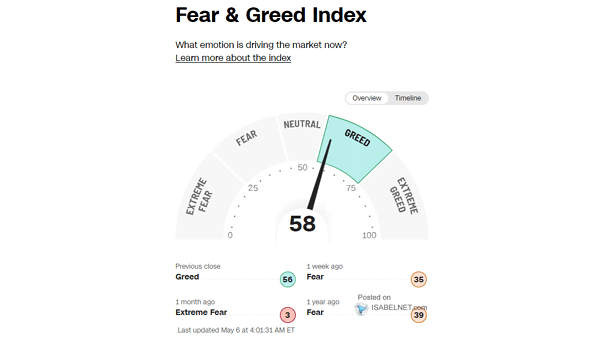
Fear & Greed Index – Investor Sentiment With the S&P 500 trading at an all‑time high, the Fear & Greed Index at 46 points to a neutral mood among market participants, leaving room for the rally to continue. Image: Cable News Network

NAAIM Exposure Index – Investor Sentiment​

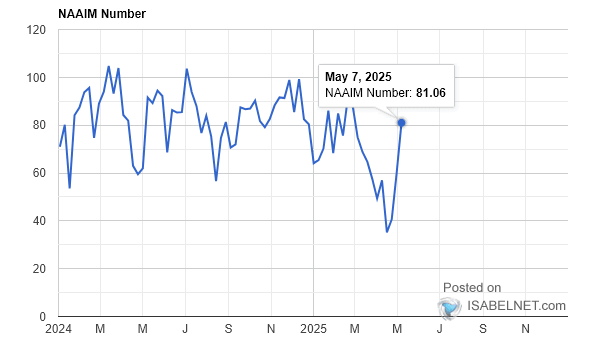
NAAIM Exposure Index – Investor Sentiment At 97.13, the NAAIM Exposure Index shows that active managers remain all-in on U.S. equities, showing continued confidence in the market. The National Association of Active Investment Managers Exposure Index represents the two-week moving average exposure to U.S. equity markets reported by NAAIM members. Image: NAAIM

Discretionary Investors Equity Positioning vs. S&P 500 EPS Growth

Discretionary Investors Equity Positioning vs. S&P 500 EPS Growth Discretionary investors are bracing for a sharp slowdown in earnings growth that’s increasingly hard to square with the data. If that gloom lifts, risk appetite could snap back and drive equities higher. Image: Deutsche Bank Asset Allocation

Investor Sentiment – U.S. Market Greed/Fear Index

Investor Sentiment – U.S. Market Greed/Fear Index At 79.37, the Greed and Fear Index has jumped from near neutral to extreme greed in just two weeks, signaling a clear turn toward risk as investors chase the continuing rally. Image: Real Investment Advice

Discretionary Investor Positioning

Discretionary Investor Positioning With positioning at the 30th percentile, discretionary investors are keeping their guard up amid mixed economic signals and market volatility. Image: Deutsche Bank Asset Allocation

Foreign Investor Ownership Share of U.S. Equity Market

Foreign Investor Ownership Share of U.S. Equity Market With foreign investors holding a record 18% of U.S. stocks, they are chasing the American dream, piling into U.S. equities on hopes that President Trump keeps the bull run alive. Image: Goldman Sachs Global Investment Research

Cash Allocation by Non-Bank Investors Globally

Cash Allocation by Non-Bank Investors Globally The age-old adage “cash is king” looks increasingly dated. Non-bank investors have slashed their cash holdings to the lowest levels since at least 1999, leaving financial markets more exposed to shocks. Image: J.P. Morgan

AAII Investor Sentiment Bull Minus Bear Spread

AAII Investor Sentiment Bull Minus Bear Spread The AAII bull-bear spread points to a balanced mood among U.S. retail investors who expect stock prices to decline in the near term—a condition that could set the stage for a sharper move in either direction. Image: Deutsche Bank Asset Allocation

MOVE Index and Discretionary Investors Equity Positioning

MOVE Index and Discretionary Investors Equity Positioning Over the past few years, discretionary positioning has exhibited a strong inverse correlation with rates volatility, though this pattern can fluctuate based on market conditions and investor behavior. Image: Deutsche Bank Asset Allocation