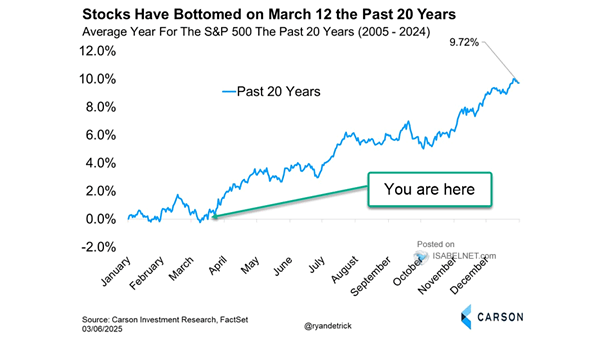
Average Year for the S&P 500 the Past 20 Years

Average Year for the S&P 500 the Past 20 Years Over the past two decades, March 12 has often marked the bottom for U.S. stocks, with rebounds taking shape soon after. History doesn’t always repeat itself, but investors know it tends to rhyme. Image: Carson Investment Research
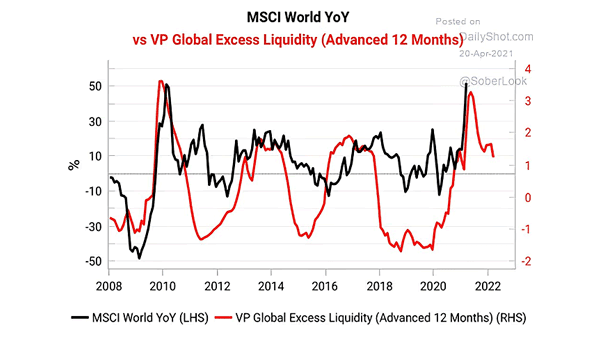
S&P 500 – MSCI U.S. vs. G10 Excess Liquidity (Leading Indicator)

S&P 500 – MSCI U.S. vs. G10 Excess Liquidity (Leading Indicator) G10 excess liquidity, the gap between real money growth and economic growth, is climbing again as it returns to post‑pandemic highs and gives U.S. stocks fresh support. Image: Bloomberg

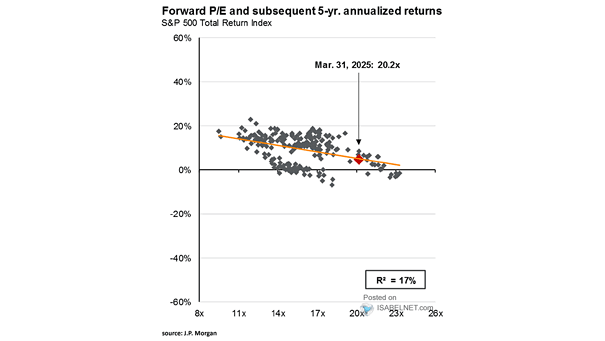
S&P 500 Forward P/E Ratio and Subsequent 5-Year Returns

Forward P/E Ratio and Subsequent 5-Year Annualized Returns Elevated U.S. stock valuations point to a tougher road for returns over the coming five years. That’s the classic problem: great companies, but not always great prices. Image: J.P. Morgan Asset Management

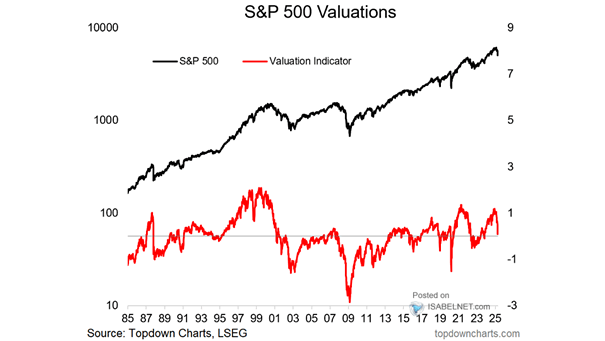
S&P 500 Sentiment and Valuations

S&P 500 Sentiment and Valuations Cracks are emerging as S&P 500 sentiment and valuation indicators are slipping from stretched territory, a move investors should keep an eye on. Markets rarely stay overheated for long. Image: Topdown Charts

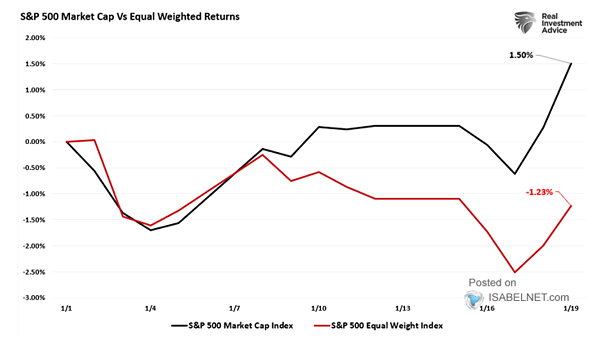
S&P 500 Equal Weight Index vs. S&P 500 Index – Two-Year Performance Spread

S&P 500 Equal Weight Index vs. S&P 500 Index – Two-Year Performance Spread Investors’ rush from tech to value has driven one of the deepest performance gaps between the market-cap and equal-weighted indexes since the pandemic era. After years in the shadows, value stocks are finally getting some love. Image: Real Investment Advice

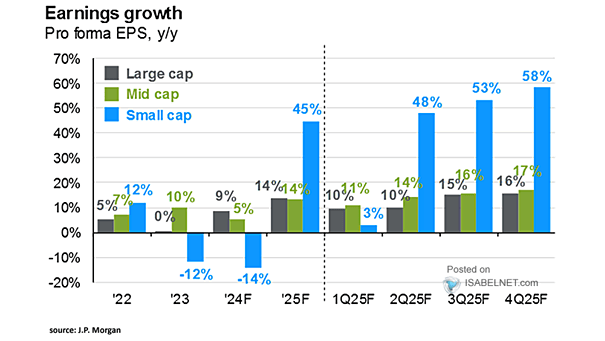
Earnings Growth – Mag 7 and S&P 500 ex-Mag 7

Earnings Growth – Mag 7 and S&P 500 ex-Mag 7 With earnings set to jump 26% this year, the Magnificent Seven look poised to outpace the rest of the S&P 500, where growth is seen at just 11%. It’s a telling gap, and tech’s momentum still looks unstoppable. Image: J.P. Morgan Asset Management

U.S. Core CPI Inflation

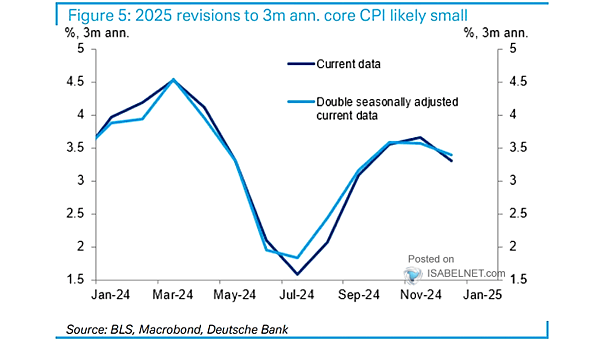
U.S. Core CPI Inflation U.S. inflation cooled in February as core CPI rose 0.22%, right on expectations. The annual rate slowed to 2.5%, marking steady disinflation progress but still short of the Fed’s 2% target. Image: Goldman Sachs Global Investment Research

Risk Appetite Indicator for Different Asset Classes

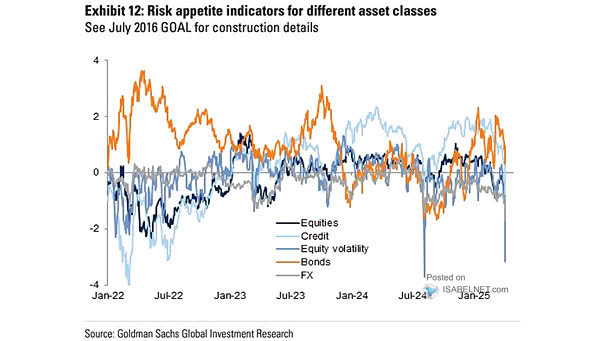
Risk Appetite Indicator for Different Asset Classes Investors’ risk appetite for equities has cooled recently but stays in positive territory amid ongoing market swings. Sentiment has definitely softened, but bulls haven’t left the room. Image: Goldman Sachs Global Investment Research

Purchasing Power of the U.S. Dollar

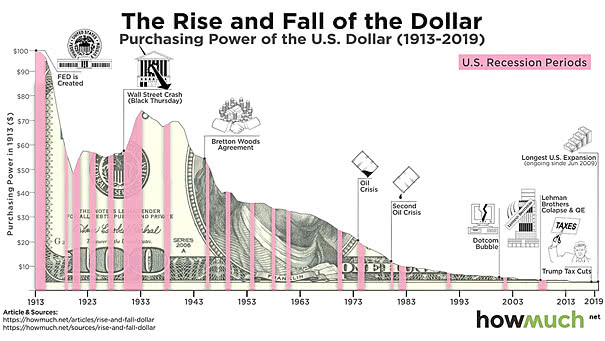
Purchasing Power of the U.S. Dollar Inflation may feel abstract, but its impact isn’t: History shows the U.S. dollar has lost about 90% of its purchasing power since 1966. Only assets that outpace rising prices, such as stocks, can keep investors ahead. Image: Real Investment Advice

U.S. Inflation: 1970 vs. Today

U.S. Inflation: 1970 vs. Today The modern economy shows greater resilience to inflation pressures compared to the 1970s, but whether it avoids stagflation depends on how long the current geopolitical conflict lasts. Image: Deutsche Bank