200-Day Correlation Between S&P 500 and Gold Spot

200-Day Correlation Between S&P 500 and Gold Spot Gold’s old reputation as a crisis hedge is looking dated. The metal is increasingly trading like a risk asset, tracking U.S. equities as a declining dollar and heavy central-bank demand reshape its place in global markets. Image: Bloomberg

Rolling 90-Day Correlation Between the S&P 500 and U.S. IG Credit Spreads

Rolling 90-Day Correlation Between the S&P 500 and U.S. IG Credit Spreads Credit and equities are back in sync: the 90‑day correlation between U.S. IG credit spreads and the S&P 500 has spiked, a sign that macro forces and market mood now bind the two tighter than before. Image: Deutsche Bank

Equities – 10-Year Forward Annualized Total Returns in Local Currency

Equities – 10-Year Forward Annualized Total Returns in Local Currency Despite historically high valuations that could cap gains, Goldman Sachs forecasts robust global equity returns, led by Emerging Markets and Asia, which are expected to deliver the strongest growth over the next 10 years. Image: Goldman Sachs Global Investment Research
CTAs Exposure to Gold

CTAs Exposure to Gold CTAs have cut back on gold, but they’re still net long — the bulls aren’t giving up yet. Image: Deutsche Bank Asset Allocation

U.S. Share Buyback Announcements

U.S. Share Buyback Announcements Bulls are right to smile: At $6–7 billion a day through year-end, U.S. corporate buybacks are the market’s invisible hand—lifting prices and muting every attempt at a selloff. Image: Goldman Sachs Global Investment Research
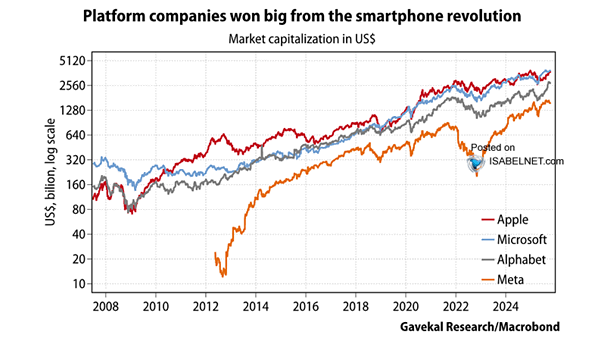
Valuation – Shiller Cyclically-Adjusted S&P 500 Price-to-Earnings Ratio

Valuation – Shiller Cyclically-Adjusted S&P 500 Price-to-Earnings Ratio By the Shiller CAPE’s measure, U.S. stocks are back in the stratosphere — the kind that’s thrilled investors on the way up, and burned them on the way down. It’s a level that has often meant thinner returns and rising risk. Image: Goldman Sachs Global Investment Research
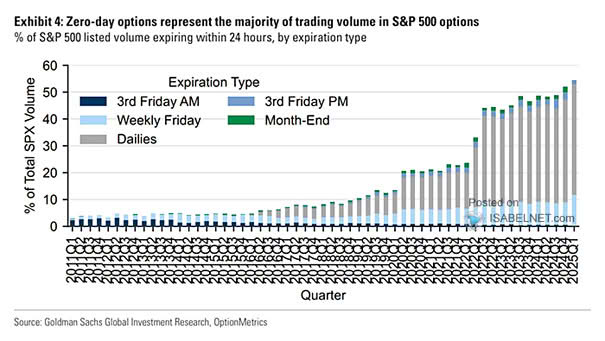
U.S. Equity Returns

U.S. Equity Returns It’s not a bubble—at least not yet. But with AI money flooding in and U.S. companies rethinking how they raise and spend cash, investors can’t afford to ignore valuations, balance sheets, or results. Image: Goldman Sachs Global Investment Research
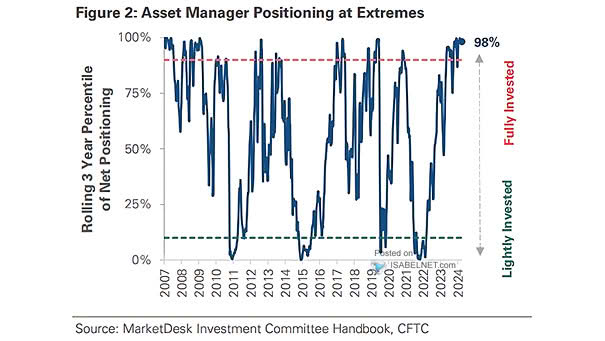
S&P 500 Returns into Year-End Following >15% Through October

S&P 500 Returns into Year-End Following >15% Through October When Wall Street catches fire, it usually keeps burning. In years when the S&P 500 has already surged more than 15% by late October, it has added another 4.7% on average through year‑end—winning 20 out of 21 times since 1950. Image: Truist