MOVE, VIX and FX Volatility

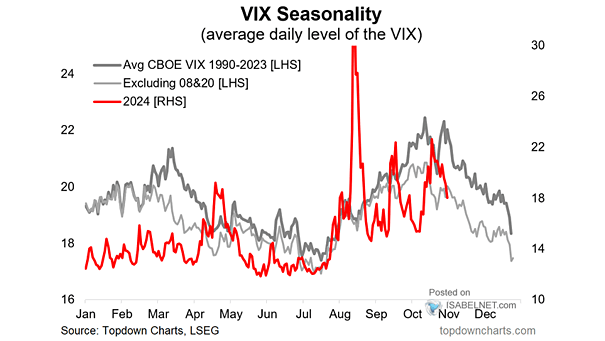
MOVE, VIX and FX Volatility The “Goldilocks summer” of market calm is essentially over, as mounting concerns about the U.S. economy awaken markets from their seasonal slumber. Image: Bloomberg

90/90 Days and What the S&P 500 Did Next

90/90 Days and What the S&P 500 Did Next The “90/90 days” back to 1980 often coincide with major policy events or changes, serving as drivers or inflection points for markets. Powell’s recent dovish pivot at Jackson Hole is a notable example. Image: Carson Investment Research

CAPE Valuations and Deviation from Exponential Growth Trend

CAPE Valuations and Deviation from Exponential Growth Trend The current elevated Shiller CAPE ratio suggests that U.S. stock valuations are stretched relative to historical averages, a condition that has often preceded lower long-term investor returns. Image: Real Investment Advice

S&P 500 Revenues

S&P 500 Revenues The reported 4.8% real revenue growth for the S&P 500 excluding energy in Q2 2025 is a strong indicator of economic strength, marking the highest growth since early 2022. Image: Goldman Sachs Global Investment Research
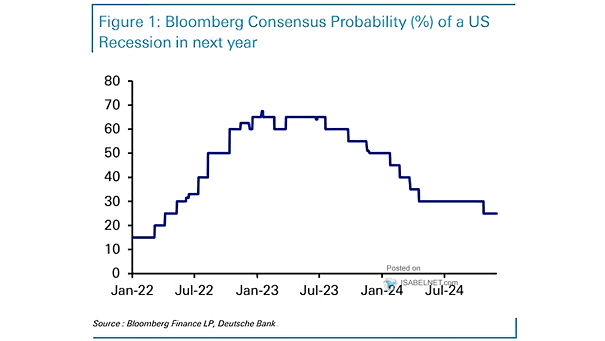
U.S. Dollar Around Fed Cuts

U.S. Dollar Around Fed Cuts Typically, the U.S. dollar experiences weakness before the Fed’s initial rate cut, followed by possible strengthening or stabilization as the easing cycle progresses. Image: TS Lombard

Hedge Fund Gross and Net Leverage

Hedge Fund Gross and Net Leverage With gross leverage remaining high and net leverage near its historical norm, hedge funds are able to sustain increased trading activity without markedly increasing their net market exposure. Image: Goldman Sachs Global Investment Research
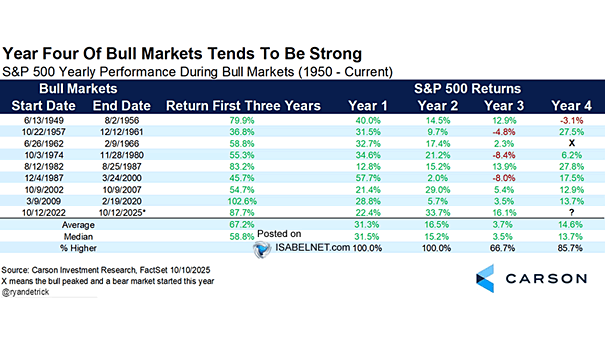
S&P 500 Return Around First Fed Cut After Being on Hold for 6+ Months

S&P 500 Return Around First Fed Cut After Being on Hold for 6+ Months Historically, when the Fed resumes rate cuts after at least six months of holding rates steady, U.S. stocks have often posted strong returns in the subsequent 12 months, particularly if economic growth persists. Image: Goldman Sachs Global Investment Research
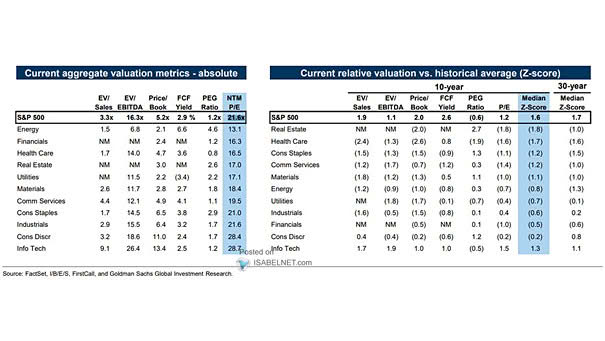
10-Year U.S. Treasury Yields with Various Moving Averages

10-Year U.S. Treasury Yields with Various Moving Averages When the Fed prioritizes the labor market over inflation, it can reduce the immediate risk of recession by sustaining employment. However, this is likely to increase inflation expectations and push yields higher. Image: J.P. Morgan

U.S. Real Yields and Gold

U.S. Real Yields and Gold Gold’s typical inverse link to real rates is fundamental, but inflation expectations, central bank buying, geopolitical risks, and investor sentiment driven by debt and fiscal worries can disrupt this relationship for extended periods. Image: Goldman Sachs Global Investment Research