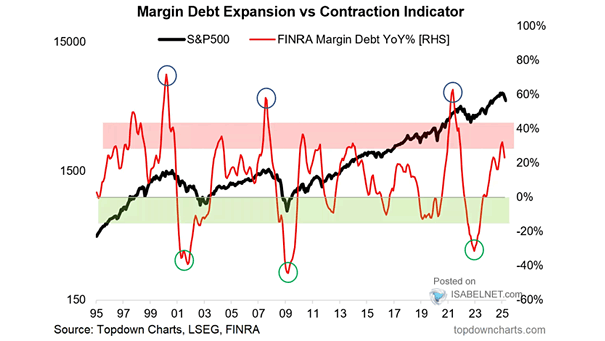
S&P 500 – Margin Debt Expansion vs. Contraction

S&P 500 – Margin Debt Expansion vs. Contraction Margin debt rolling over from the danger zone isn’t exactly the kind of move bulls want to see. It’s a red flag for the market and definitely something to keep an eye on. Image: Topdown Charts

Gold Price

Gold Price Gold is trading lower in part because higher inflation risk is keeping interest rates higher for longer, which hurts non‑yielding assets like gold even amid volatility and geopolitical stress. Image: MarketDesk Research

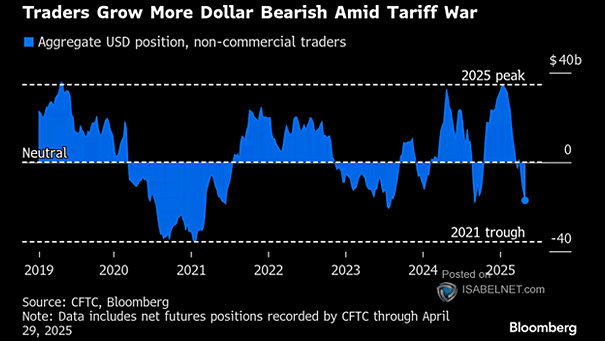
Aggregate U.S. Dollar Position, Non-Commercial Traders

Aggregate U.S. Dollar Position, Non-Commercial Traders Rising Middle East tensions and a jump in energy prices have pushed speculators back into the U.S. dollar, marking their first net-long position of the year. No surprise there: the greenback usually shines when global risks rise. Image: Bloomberg

Monthly Brent Oil Price

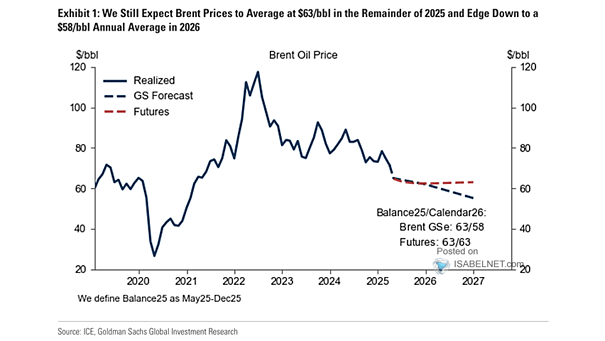
Monthly Brent Oil Price Oil prices face greater upside than downside risk in the near term, with Brent likely to stay elevated if disruptions persist. Given how slowly such issues tend to ease, the balance of risk points higher for now. Image: Goldman Sachs Global Investment Research

Real S&P 500 Index vs. Conflicts

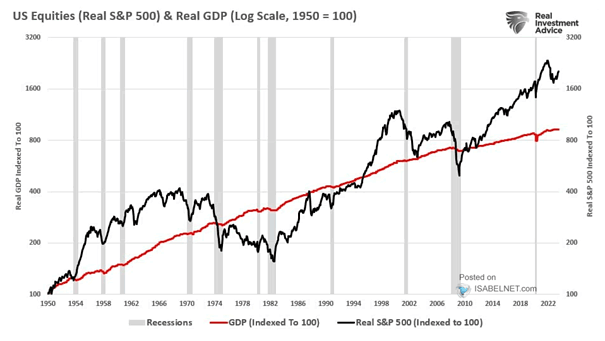
Real S&P 500 Index vs. Conflicts Markets are quick to price in fear. The S&P 500 usually dips when conflict erupts, but it often manages to recover its losses as long as demand and earnings remain strong. Short-term fear rarely changes the long-term story. Image: Real Investment Advice

Interest Rates – Market Pricing for the Number of Fed Rate Cuts

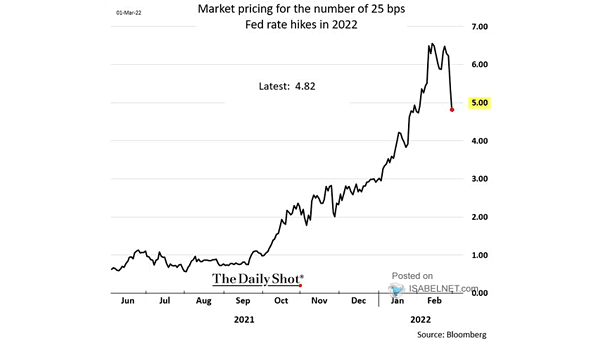
Interest Rates – Market Pricing for the Number of Fed Rate Cuts Markets have sharply repriced the Fed path. Investors shouldn’t see “no rate cuts before 2027”, but they should recognize that the hurdle for 2026 easing has risen significantly. Cuts aren’t off the table, just harder to justify now. Image: The Daily Shot

Earnings Sentiment – S&P 500, STOXX 600, Topix, MSCI EM, MSCI World

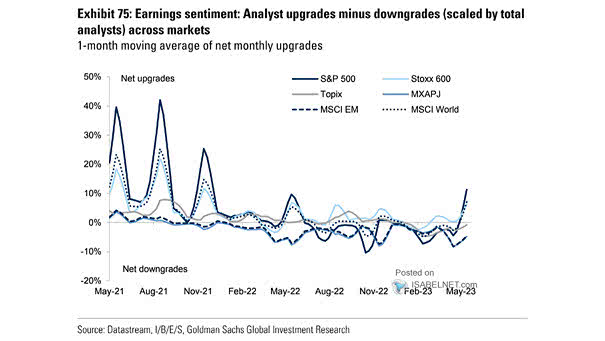
Earnings Sentiment – S&P 500, STOXX 600, Topix, MSCI EM, MSCI World Analysts’ sentiment on S&P 500 earnings has cooled slightly in recent weeks but remains positive overall amid ongoing optimistic outlooks for the full year. The optimism is still there, but a bit more measured now. Image: Goldman Sachs Global Investment Research

Hyperscalers Realized Year/Year Growth – Earnings vs. Free Cash Flow

Hyperscalers Realized Year/Year Growth – Earnings vs. Free Cash Flow While hyperscalers are still delivering steady earnings, their free cash flow growth has sharply cooled, and that gap could prove costly, since stock performance has often mirrored free cash flow trends closely. Image: Goldman Sachs Global Investment Research

Investors Intelligence Bull-Bear Spread and S&P 500

Investors Intelligence Bull-Bear Spread and S&P 500 Bulls are slipping out the side door again. Over the past decade, every net gain in the S&P 500 came when the II bull-bear spread was above 20%. Today, that kind of confidence is in short supply. Image: Hi Mount Research

S&P 500 Performance vs. EM and DM Ex-U.S. Equities

S&P 500 Performance vs. EM and DM Ex-U.S. Equities Since the Middle East conflict began, the S&P 500 has left global peers behind, outperforming both emerging and developed ex‑U.S. markets. Investors still see the U.S. as a relatively safe haven amid the turmoil. Image: Goldman Sachs Global Investment Research

U.S. Equities and Wars

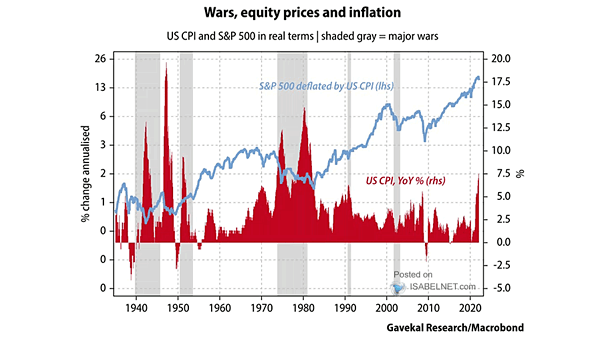
U.S. Equities and Wars Some major geopolitical events have knocked U.S. stocks down 15% or more before. Is this time different? For now, markets look like they’re pricing in hope, not fear. Image: Gavekal, Macrobond