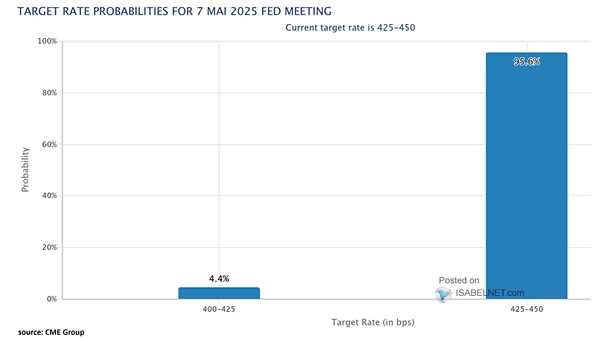
Fed Funds Rate – Target Probabilities at the Fed’s FOMC Meeting
Fed Funds Rate – Target Probabilities at the Fed’s FOMC Meeting Traders are betting on a Fed rate hike today, with markets pricing in a 92.5% chance of a 25 bps move. But when oil…
Fed Funds Rate – Target Probabilities at the Fed’s FOMC Meeting Traders are betting on a Fed rate hike today, with markets pricing in a 92.5% chance of a 25 bps move. But when oil…
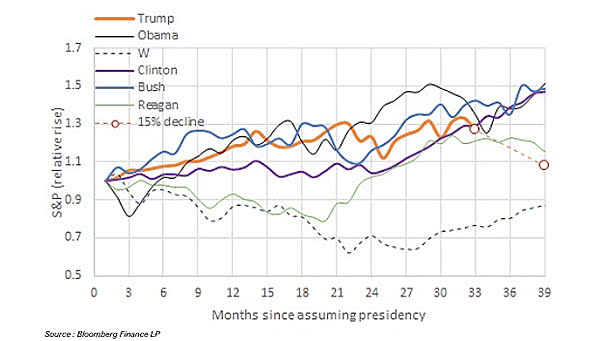
S&P 500 Performance on the Day of the FOMC Meeting U.S. stocks have struggled on FOMC days this year. Can this week break the pattern? Image: Deutsche Bank Asset Allocation
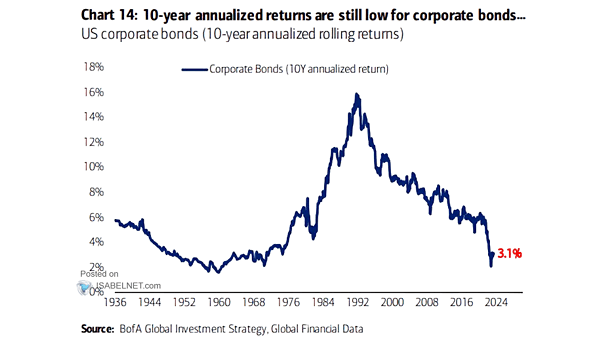
Bond Positioning Bond positioning has sunk to the 5th percentile. If history rhymes, yields are near a short-term peak. Image: Deutsche Bank Asset Allocation
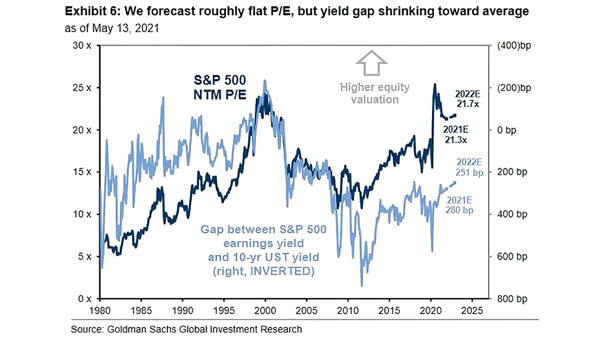
Valuation – S&P 500 Fwd 12-Month P/E Multiple vs. EPS Yield Gap vs. Real 10-Year U.S. Treasury So far in 2026, U.S. equities have digested higher rates mostly through multiple compression, leaving the valuation gap…
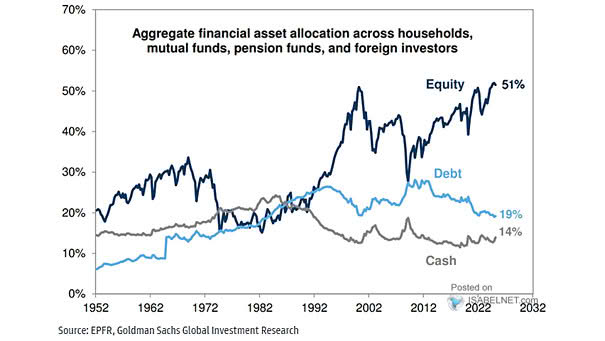
Foreign Holding of U.S. Financial Assets: Allocation to Equities Foreign investors are unusually crowded into U.S. stocks. What would happen if they all rushed for the exits? Image: Topdown Charts
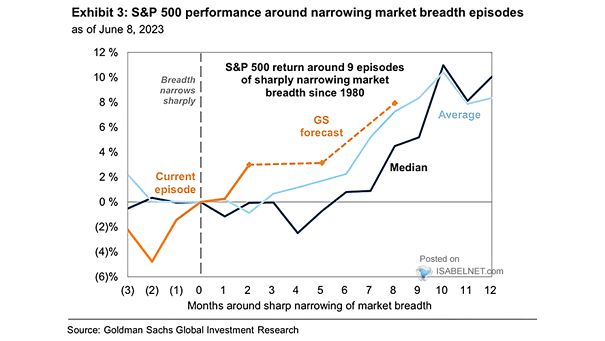
S&P 500 Performance on the Week of FOMC Meetings U.S. stocks have whipsawed through recent FOMC meetings, but the average week still closes in the green. Image: Deutsche Bank Asset Allocation
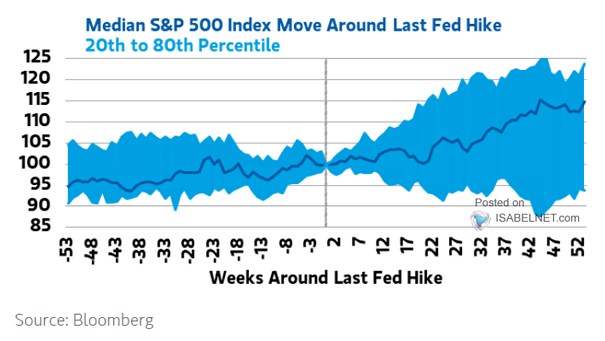
S&P 500 Return Around Start of Fed Hiking Cycles History says the S&P 500 tends to stumble in the weeks after the Fed starts hiking, before recovering as the broader trend resumes. Image: Goldman Sachs…
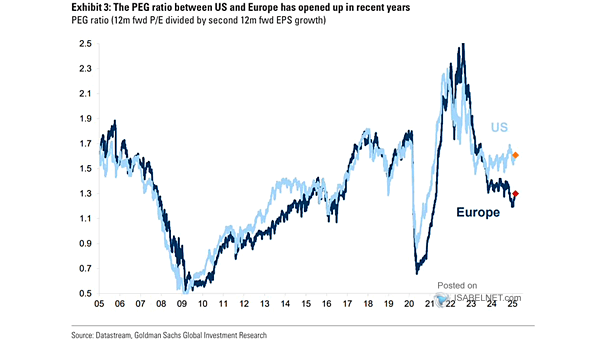
Valuation – S&P 500 PEG Ratio Fwd P/E? Rich. PEG? Cheap, because long-term earnings-growth estimates are the highest since 1995. That low PEG is just blockbuster growth expectation. A recession or an AI-spending slowdown could…
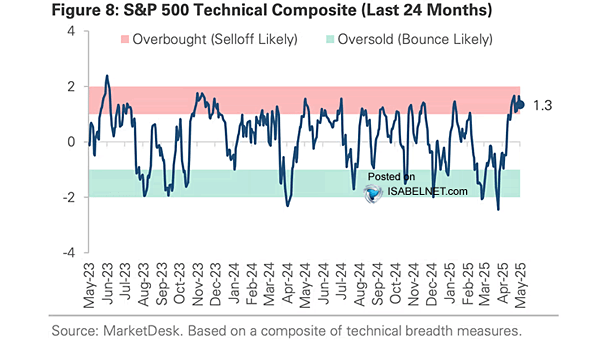
S&P 500 Technical Composite A composite of technical breadth measures is screaming oversold on the S&P 500, boosting the odds of a reflexive rally. Setups like this can flip quickly once buyers return. Image: MarketDesk…
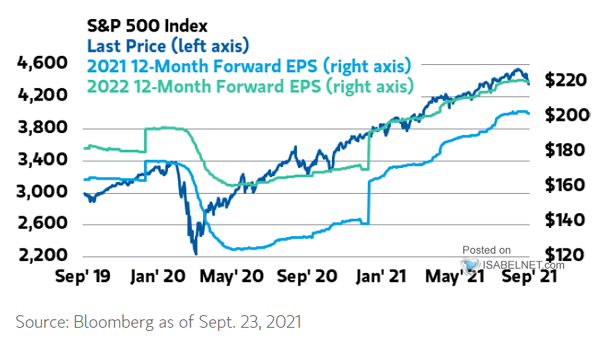
S&P 500 Forward P/E Ratio and Forward EPS Sustainable bull markets are driven by corporate earnings and fundamentals, not just hope. Vibes can lift prices for a while, but profits are what keep the rally…
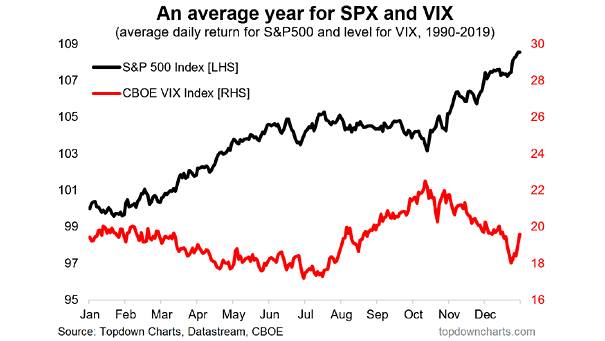
VIX and S&P 500 Seasonality The VIX and the S&P 500 usually move in opposite directions. As the VIX begins its seasonal rise from late July into autumn, the S&P 500’s path tends to get…