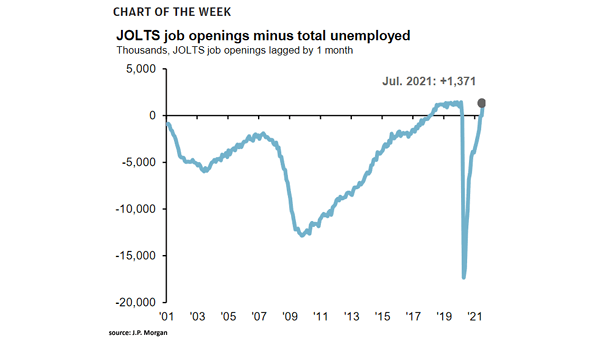
U.S. Labor Market – Job Openings per Unemployed Worker

U.S. Labor Market – Job Openings per Unemployed Worker The ratio of U.S. job openings to unemployed workers below 1 indicates labor market weakness, with policy uncertainty and slowing demand increasing the likelihood of a September Fed rate cut. Image: J.P. Morgan Asset Management
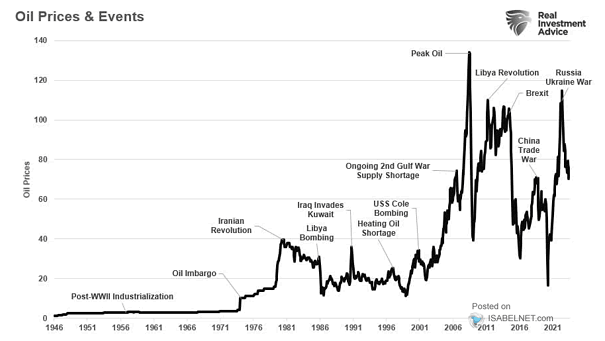
Oil Prices and Events

Oil Prices and Events Higher oil prices function like a tax, reducing disposable income and increasing business costs, which can slow growth or cause recessions. However, these spikes are typically brief as demand falls and markets adjust accordingly. Image: Real Investment Advice

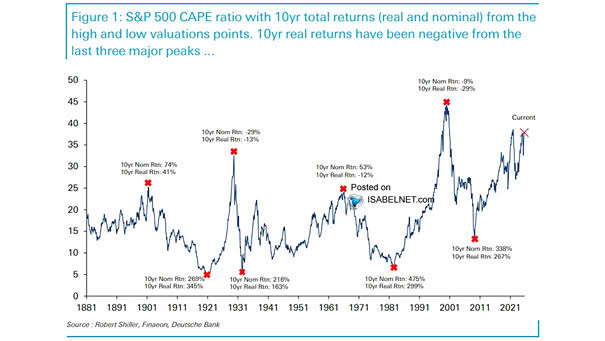
Valuation – S&P 500 CAPE Ratio with 10-Year Total Returns

Valuation – S&P 500 CAPE Ratio with 10-Year Total Returns Valuations don’t matter—until they do. Over the past 150 years, high valuations have been a sign of poor forward returns, with negative real returns over 10 years following the last three major valuation peaks. Image: Deutsche Bank

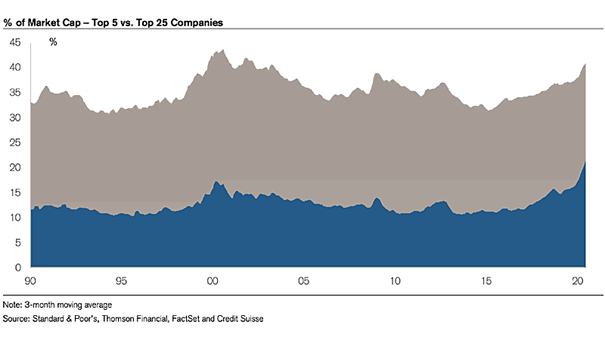
% of Market Capitalization – Top 5 vs. Top 25 Companies

Share of Top 5 Companies by Market Capitalization in the S&P 500 The U.S. equity market is highly concentrated in just a few mega-cap tech companies. While this does not definitively mean the U.S. is in a bubble, investors face uncharted waters as performance hinges on a few key players. Image: Deutsche Bank

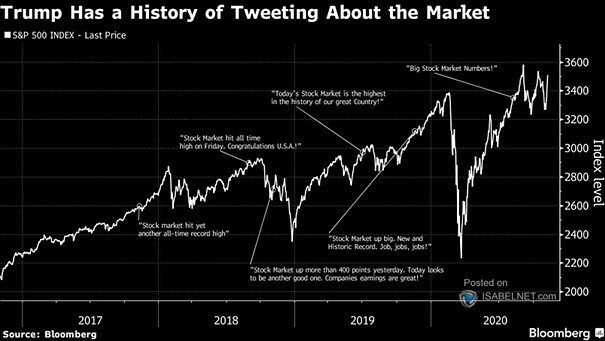
President Trump Tweets Contribute to Market Volatility

President Trump Tweets Contribute to Market Volatility President Trump’s tweets during his first term had a significant impact on financial markets, often contributing to increased volatility. During Trump’s second term, the dynamics appear similar. Image: Bloomberg

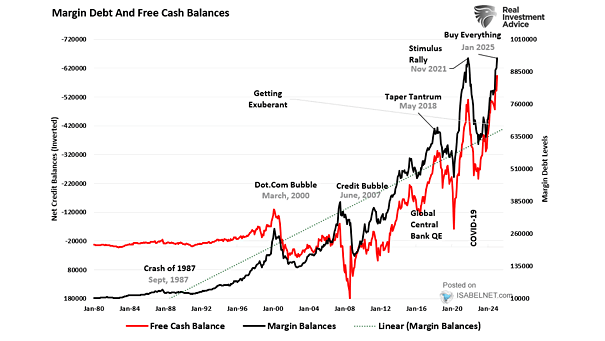
U.S. Stock Market – Margin Debt and Free Cash Balances

U.S. Stock Market – Margin Debt and Free Cash Balances The current record margin debt, exceeding $1 trillion, signals heightened investor risk-taking and confidence; however, if the market falters, this elevated leverage could amplify volatility and losses. Image: Real Investment Advice

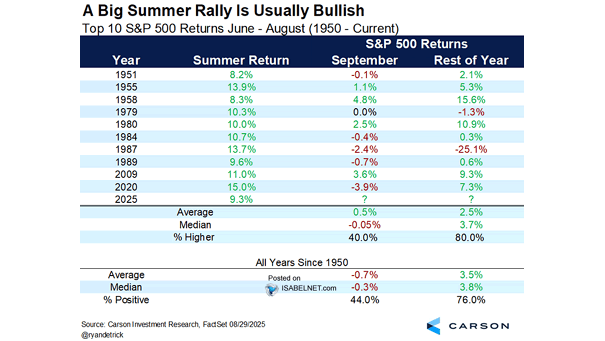
Top 10 S&P 500 Returns June – August

Top 10 S&P 500 Returns June – August A strong summer rally, such as the one in 2025, typically signals bullish sentiment and often leads to further gains in the S&P 500 for the remainder of the year, based on historical trends observed in the ten best summer rallies. Image: Carson Investment Research

Average and Median Monthly 10-Year U.S. Treasury Yield Change Since 2000

Average and Median Monthly 10-Year U.S. Treasury Yield Change Since 2000 U.S. Treasury bond yields typically increase in September and October due to a surge in bond supply after the summer lull, combined with market influences like policy shifts and investor repositioning. Image: Deutsche Bank

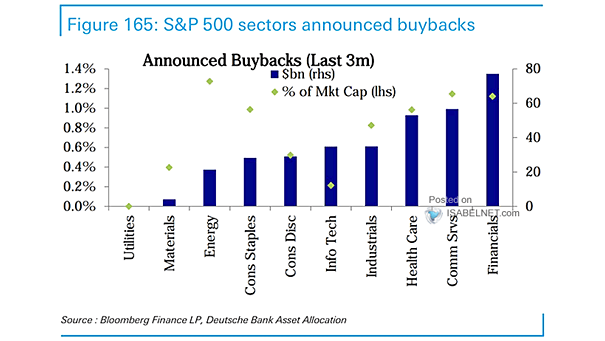
S&P 500 Sectors Announced Buybacks (Last 3 Months)

S&P 500 Sectors Announced Buybacks (Last 3 Months) Over the past three months, the Financial, Industrial, and Information Technology sectors have been at the forefront of buyback announcements, driving a major portion of repurchase activity in the U.S. market. Image: Deutsche Bank Asset Allocation

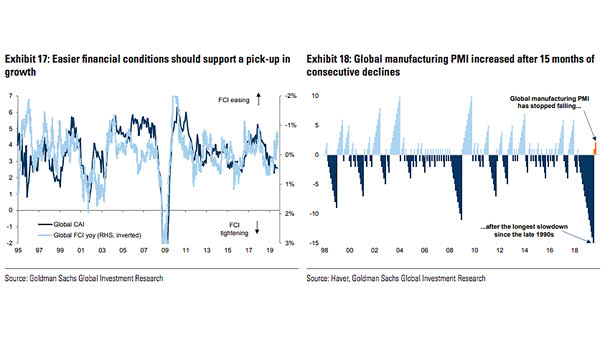
Global Financial Conditions Index

Global Financial Conditions Index Global financial conditions have eased to a 12-month low, supported by expectations of monetary policy easing, improved investor sentiment, tightening credit spreads, and a more stable economic outlook. Image: Goldman Sachs Global Investment Research