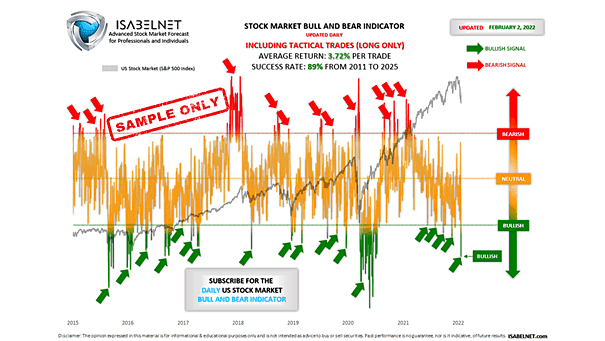
U.S. Stock Market Bull and Bear Indicator – S&P 500
U.S. Stock Market Bull and Bear Indicator – S&P 500 Monday, our Stock Market Bull & Bear Indicator was bullish well before the opening bell, and the S&P 500 didn’t disappoint, ending the day up…
U.S. Stock Market Bull and Bear Indicator – S&P 500 Monday, our Stock Market Bull & Bear Indicator was bullish well before the opening bell, and the S&P 500 didn’t disappoint, ending the day up…
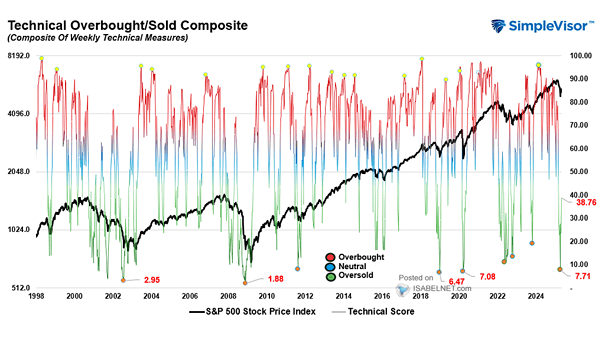
S&P 500 Index and Technical Score The S&P 500’s technical reading eased to 58.32. The market can rally from here, but a deeper correction could bring further losses. For now, caution makes sense until market…
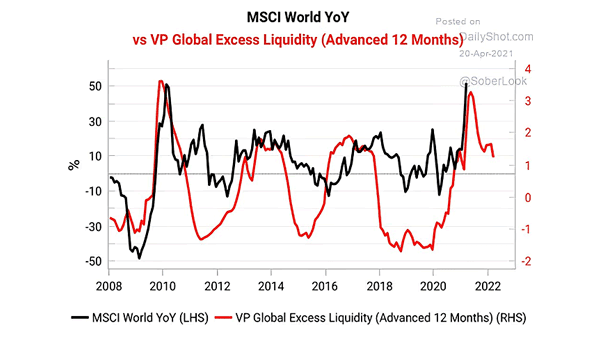
S&P 500 vs. G10 Excess Liquidity Leading Indicator G10 excess liquidity remains negative, leaving U.S. stocks without a crucial source of support over the next three to six months. That’s unlikely to change unless monetary…
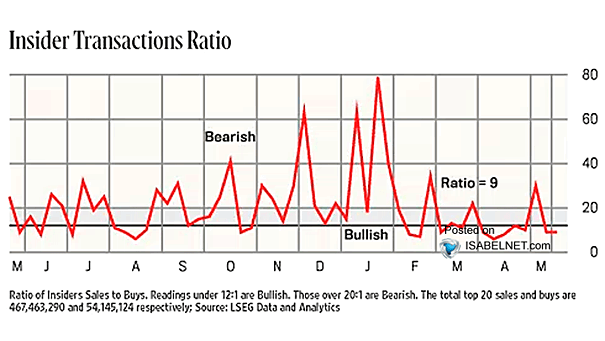
Insider Transactions Ratio The Insider Transactions Ratio is back in neutral territory, with buying and selling roughly balanced. Corporate insiders are largely on the sidelines, with little conviction about what comes next. Image: Barron’s
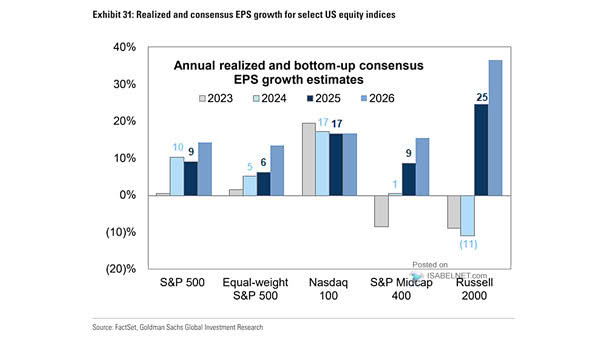
Consensus EPS Growth Estimates U.S. small-cap earnings are expected to climb 34% in 2026 and 48% in 2027, putting them on track to outpace the S&P 500, where growth is forecast to slow from 33%…
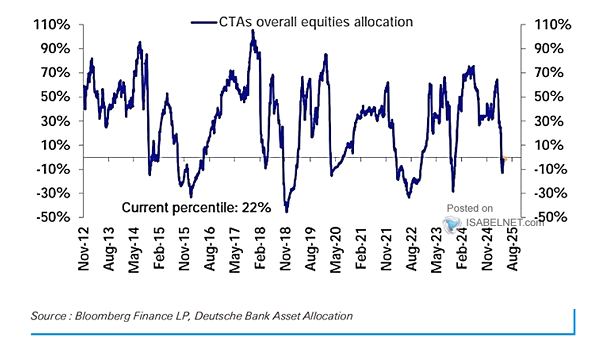
CTAs Exposure to Equities CTA positioning remains relatively elevated across most major indexes. The S&P 500 sits at the 87th percentile, the Nasdaq-100 at the 66th percentile, and the Russell 2000 at the 30th percentile.…
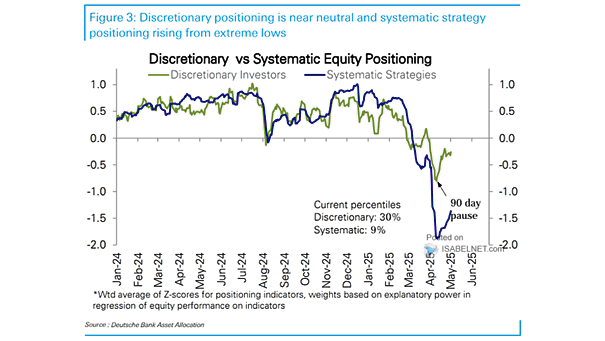
Discretionary vs. Systematic Equity Positioning Systematic strategies are still overweight, with positioning at the 79th percentile. Discretionary investors are much more cautious, underweight at the 18th percentile, with plenty of room to add risk. Image:…
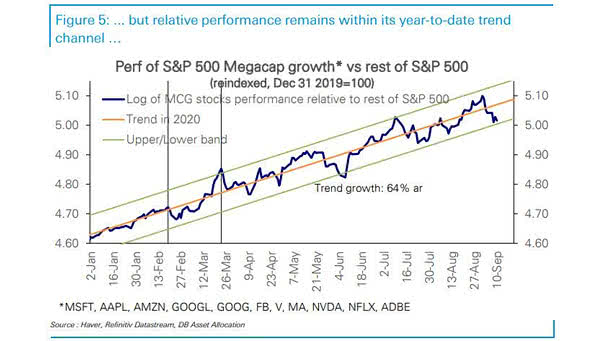
Performance – MCG & Tech Ratio to the Rest of the S&P 500 MCG & Tech’s relative performance is now well into the lower half of its long-term trend channel, though it has yet to…
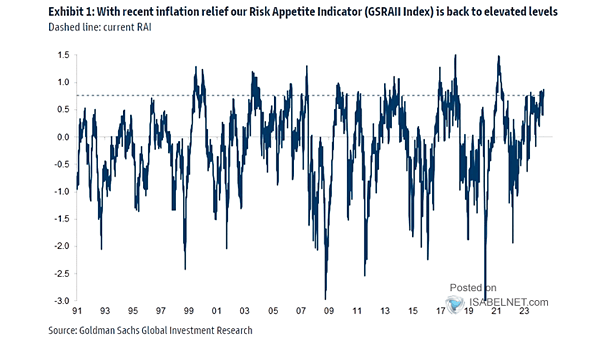
Risk Appetite Indicator Level and Momentum Factors Goldman Sachs’ Risk Appetite Indicator has retreated from extreme levels to -0.5, as investors grow more cautious. That leaves risky assets with more room to climb than they…
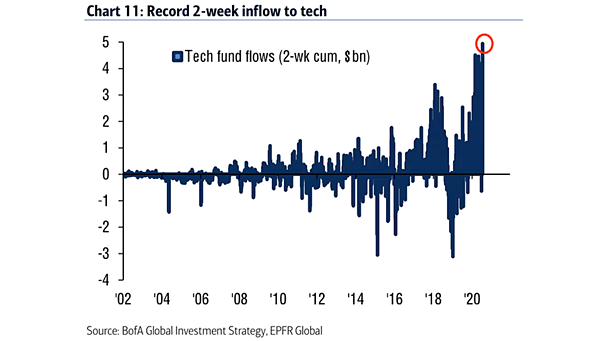
Fund Flows to Tech Leveraged Equity ETFs Investors kept buying tech funds as prices fell, even piling into leveraged products. That signals resilient risk appetite, and leaves room for a sharp rebound if sentiment turns.…
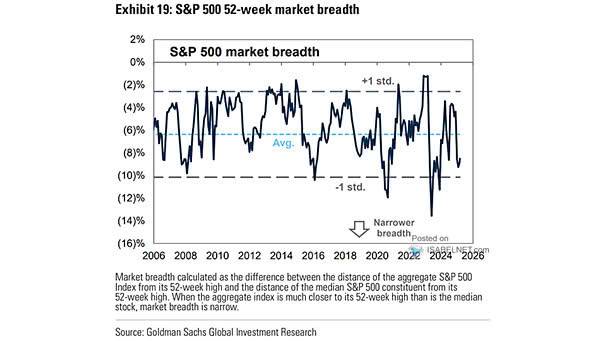
Market Breadth – Percent Below 52-Week High S&P 500 Index Less Median Stock The S&P 500 52-week market breadth is improving. For bulls, that’s encouraging: rallies tend to look healthier when more stocks take part.…