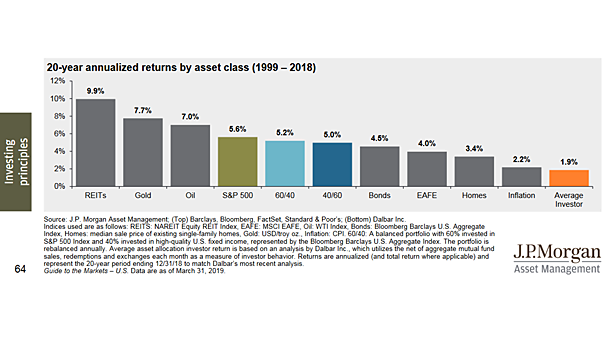
The Average American Investor Still Underperforms the Market Over the Long Term

The Average American Investor Still Underperforms the Market Over the Long Term This is usually due to emotional biases, herding effect, lack of diversification, panic selling,… Most investors buy high and sell low at the wrong time. That’s the reason why using our formidable decision support tools will empower yourself to make much better investment…

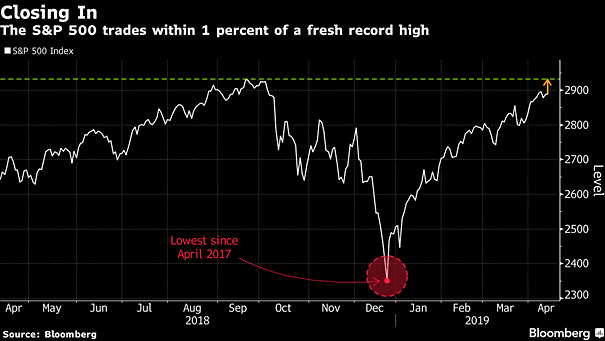
Six months ago, the S&P 500 was overvalued by more than 14%…

Six months ago, the S&P 500 was overvalued by more than 14%… Six months ago, the S&P 500 was overvalued by more than 14% before the market crash, through our advanced stock market valuation model. Near the same level today and within 1% of a record high, the US stock market remains slightly overvalued by 7.8%.…

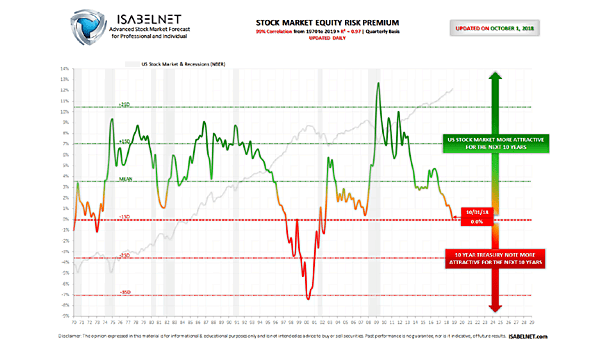
Why Warren Buffett Says That Stocks Are Generally Better Than Bonds?

Why Warren Buffett says that stocks are generally better than bonds? Our equity risk premium model shows when the US stock market return for the next 10 years is more or less attractive than the 10-Year Treasury Note. Since 1970, the 10-year Treasury Note was less attractive than the US stock market over a 10-year…

Leveraged loans pose risks as corporate debt increases

Leveraged loans pose risks as corporate debt increases A leveraged loan is debt issued by a company that has below investment grade credit ratings and a considerable amount of debt with high interest rates. In this video, Brian Cheung of Yahoo Finance, explains why leveraged loans pose risks as corporate debt increases.

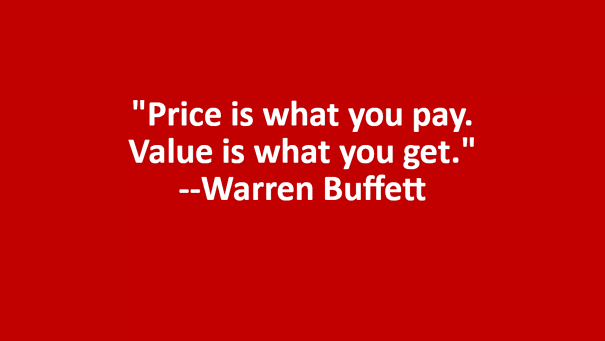
Financial Crisis Survival Lessons: Beats Market & Peers Since Bottom (Ariel Fund)

Financial Crisis Survival Lessons: Beats Market & Peers Since Bottom (Ariel Fund) Charles Bobrinskoy at Ariel Investments, has a patient and long-term value approach. He says: “the best time to buy is when people are panicking and scared. You have to be greedy when others are fearful. This is very hard to do, but this…

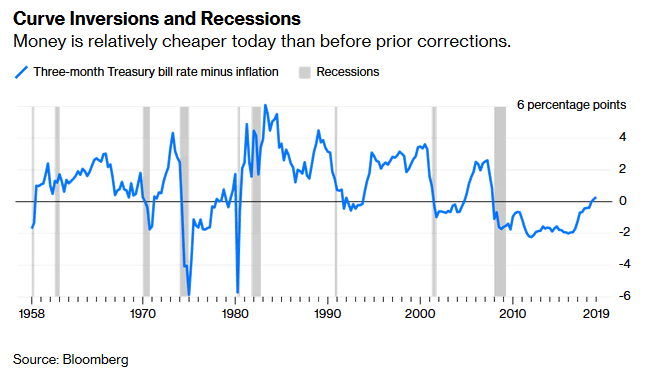
Real Three-month Yield vs. Recessions

Real Three-month Yield vs. Recessions Historically prior to every recession, the three-month yield exceeded inflation by almost 200 basis points since 1960. Today, the real three-month yield (adjusted for inflation) is just above zero. If history helps us to predict the future, then this cycle should not end any time soon. Source: Bloomberg, Myron Scholes

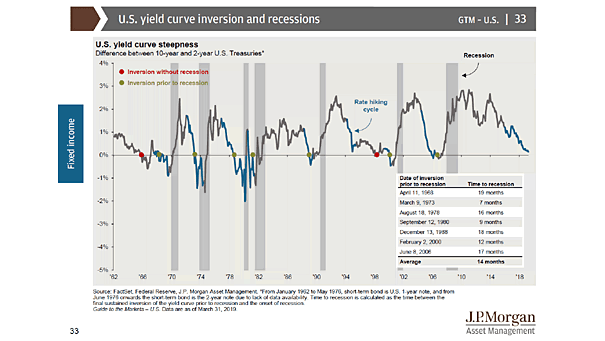
US Yield Curve Inversion and Recessions

US Yield Curve Inversion and Recessions This interesting chart shows the US yield curve inversion (10y-2y spread) and recessions. Historically, by ending the rate hiking cycle before an inversion, the expansion has still some legs and the next recession is postponed. Source: J.P. Morgan Asset Management “Guide to the Markets” for Q2 2019