S&P 500 3-Month Option-Implied Volatility
S&P 500 3-Month Option-Implied Volatility Since 2024, the volatility of the average stock in the S&P 500 has been on the rise. Image: Goldman Sachs Global Investment Research
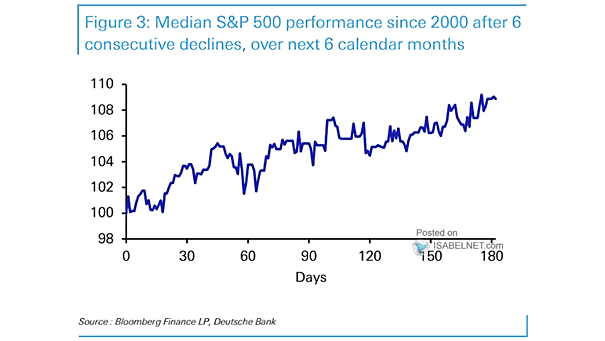
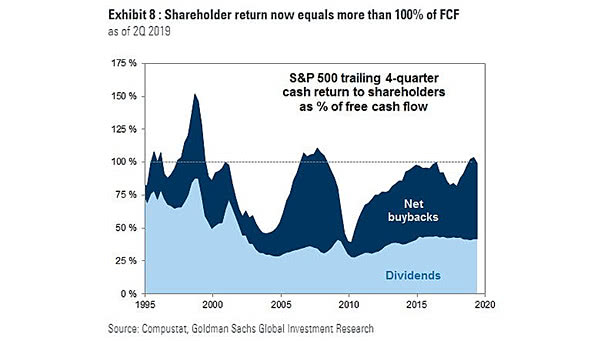
Net Bullish Sentiment vs. S&P 500 Index Investor sentiment has turned sharply risk‑averse in recent weeks, as the Middle East conflict and its potential spillovers have made markets more cautious about risk assets. Image: Real Investment Advice
S&P 500 Performance per Year of a 4-Year Presidential Cycle Even when midterms shake investor sentiment, history leans bullish, with U.S. stocks up an average of 8.8% in second presidential terms since 1950. Midterm jitters often fade faster than many think. Image: Carson Investment Research
CTAs Exposure to the U.S. Dollar After betting against the U.S. dollar, Commodity Trading Advisors are easing up on their shorts and edging toward neutral. Few will be surprised as the greenback finds support when the world gets nervous. Image: Deutsche Bank Asset Allocation
Systematic Equity Positioning Systematic strategies have slipped to neutral, with positioning now in the 40th percentile, as higher volatility has triggered a recent bout of de-risking. Image: Deutsche Bank Asset Allocation
U.S. Recession Probability Recession odds in the U.S. have dropped to levels that favor continued growth rather than an imminent slump. Image: Deutsche Bank Research
CTAs Exposure to Equities CTAs have tactically reduced their equity exposure recently to the 43rd percentile, though their positioning stays firmly on the long side. The move shows they’re cautiously optimistic. Image: Deutsche Bank Asset Allocation
Brent Oil Price Forecast Goldman Sachs has lifted its 2026 oil price forecast, now seeing Brent crude averaging $85 a barrel and WTI at $79, as disruptions in the Strait of Hormuz keep energy markets on edge. Image: Goldman Sachs Global Investment Research
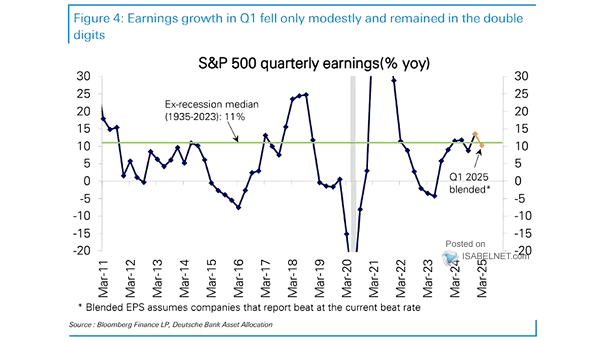
S&P 500 Returns After 200 Days or More Above the 200-Day MA End Losing the 200-day moving average after staying above it for 200 days or more has usually meant a period of consolidation rather than the start of a deep bear market. Since 1950, the S&P 500 has gained 8.3% on average over the…
S&P 500 – Margin Debt Expansion vs. Contraction Margin debt rolling over from the danger zone isn’t exactly the kind of move bulls want to see. It’s a red flag for the market and definitely something to keep an eye on. Image: Topdown Charts
Gold Price Gold is trading lower in part because higher inflation risk is keeping interest rates higher for longer, which hurts non‑yielding assets like gold even amid volatility and geopolitical stress. Image: MarketDesk Research